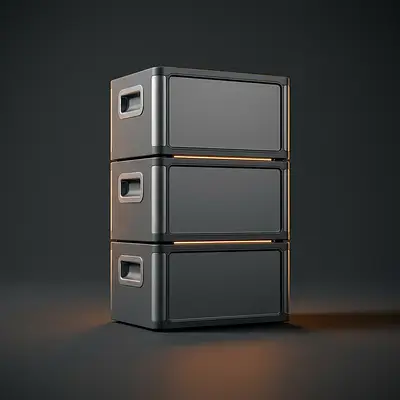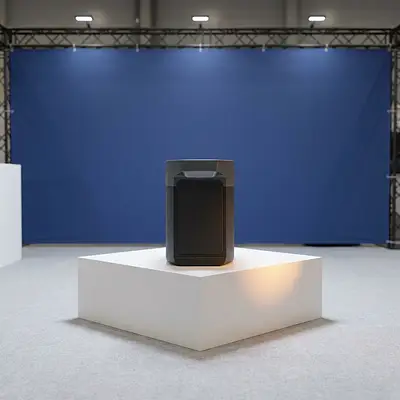
EcoFlow Stream 5000: New 5 kWh Balcony Battery With 10,000 Charge Cycles
 6 min read
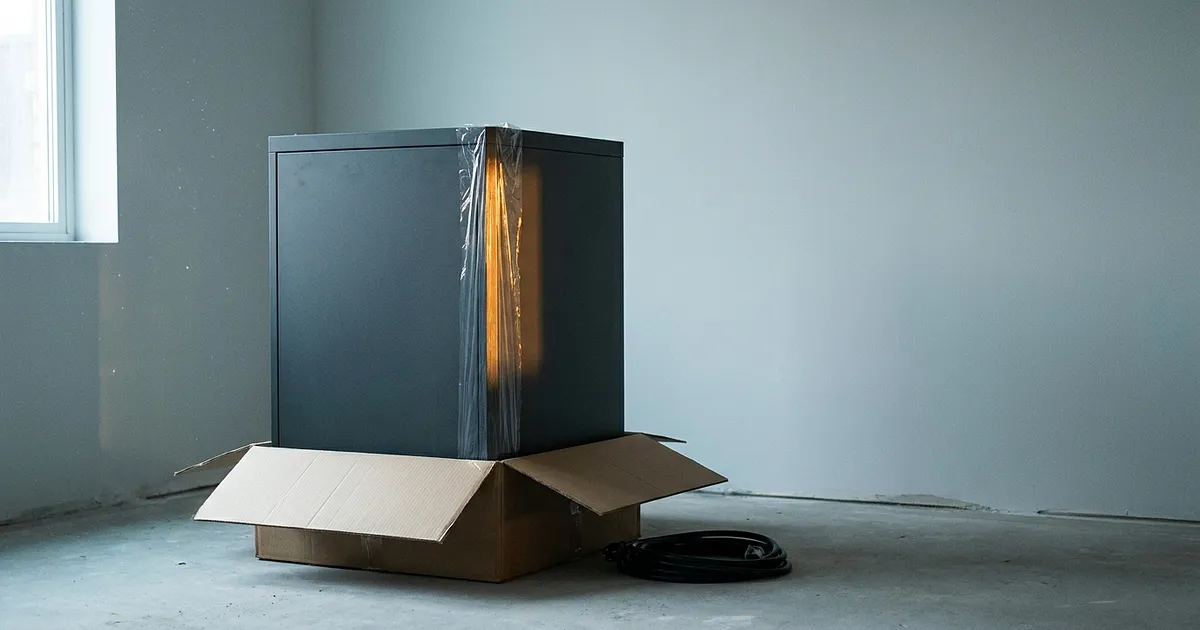
As of 27.08.2026 · Status: announced, pre-orders open, no independent test available
The EcoFlow Stream 5000 is a balcony storage battery meant to sit in the gap between an 800 W plug-in solar kit and a full roof array. The figure showing up in every write-up is a cycle count: 10,000. Roughly double what spec sheets in this class normally claim.
So let's pull it apart.
What EcoFlow announced
The headline figures come from EcoFlow's own product page. All manufacturer specs, none of them an independent measurement.
| Spec (manufacturer stated) | Value |
|---|---|
| Capacity | 5,024 Wh |
| Solar input | 5,000 W across 4 MPPT trackers |
| Max discharge | 3,000 W |
| Grid feed-in, plug-in mode | 800 W |
| Charge cycles | 10,000 |
Pricing arrives in stages: €1,299 during the warm-up phase, €1,399 in pre-sale from 31 August 2026, €1,599 as the regular list price (teltarif.de). Pre-orders run to 15 September 2026, with shipping from mid September (SmartHome Kompass).
Sources disagree sharply on the maximum expansion capacity. So there's no number here, only the part that holds up: it expands across multiple battery units.
What 10,000 charge cycles actually means
A charge cycle isn't a calendar day, it's one full charge plus discharge. At 5,024 Wh that's a good five kilowatt-hours in and back out. If you're unsure what a watt-hour actually tells you, the arithmetic is spelled out there.
Except a balcony battery rarely cycles fully. Some days the sun gets you to 30 percent, some days 90. The rule of thumb circulating in this class is 1.5 to 2 full-cycle equivalents per day.
Run it yourself: 10,000 divided by (1.5 × 365) is roughly 18 years, and at 2 cycles a day you're at about 14. Our own arithmetic on top of an assumption, not a manufacturer claim and definitely not a measurement.
And one detail is missing. The spec page states the cycle count with no remaining-capacity threshold attached. The normal wording would be "10,000 cycles to 80 percent remaining capacity". That threshold turns up in retailer copy, not in the manufacturer spec. Without a defined end of life, the number is harder to place than it looks.
Retrofitting storage onto balcony solar: two variants
If you already have panels on the balcony, watch the model designation. The Stream 5000 includes the inverter. The STREAM AC 5000 variant, which has none, is aimed at existing setups (infranken.de) and costs €1,199.
Neither one needs rewiring. In plug-in mode via a Schuko socket the feed-in stays at 800 W. The full 3,000 W is only available from the unit's own outlet or a fixed connection installed by a licensed electrician, a point Inside-Digital.de makes explicitly. Which socket type is permitted has shifted recently: what has applied to Schuko and Wieland since December 2025 is covered in its own post.
The storage unit belongs in Germany's Marktstammdatenregister too, not just the panel. Per EcoFlow's guide, the deadline is four weeks from commissioning, filed under the plug-in generating system category.
Nobody has tested the EcoFlow Stream 5000 yet
No lab, no consumer organisation, no newsroom with a meter, no long-term report. SmartHome Kompass does hand out 8.8 out of 10, while calling it a launch check based on manufacturer data.
But a launch check built on manufacturer data isn't the same thing as a real test, and there's a reason that gap matters here. Stiftung Warentest tested five balcony storage systems in March 2026 and graded the sibling STREAM Ultra "mangelhaft" (poor), 4.7, the worst result in the field. Three of the five units failed on excessive electromagnetic emissions, and four let water into outdoor-rated outlets.
That says nothing about the Stream 5000. It wasn't in that test. It says only that a rigorous independent method exists for this class, and this device hasn't been through it.
Comparable balcony batteries you can buy today
The Stream 5000 isn't shipping yet. Other hardware in this class has been on the shelf for a while. Capacities are manufacturer figures from the listings, prices as of 27.08.2026, Amazon.de.
Anker Solix 2 Plus Solarbank
1,600 Wh, €398.99, expandable with add-on batteries. The cheaper of the two Anker entry points, for anyone starting small and adding capacity later.
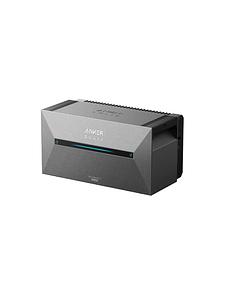
Anker SOLIX 2 Plus Solarbank (1,6 kWh)
View at AmazonAffiliate link. Buying through it earns us a commission; the price stays the same for you.
Anker Solix Solarbank 3 Pro
2,700 Wh with a smart meter, €898.99. Anker is the only brand that reached a "befriedigend" (satisfactory) grade in the March 2026 Warentest field, though with a different model. For anyone who wants more capacity and automatic load metering, and is willing to pay the highest price in this lineup.
Anker SOLIX Solarbank 3 Pro + Smart Meter, Plug&Play Balkonkraftwerk mit Speicher
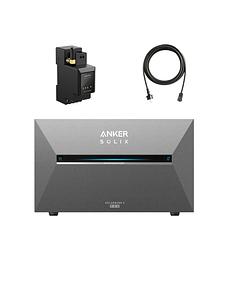
Anker SOLIX Solarbank 3 Pro + Smart Meter, Plug&Play Balkonkraftwerk mit Speicher
View at AmazonAffiliate link. Buying through it earns us a commission; the price stays the same for you.
Marstek B2500
2,240 Wh at €339.33. For covering evening consumption alone, that's often plenty.
Marstek B2500D Speicher 2240Wh für Balkonkraftwerke, LiFePO4 Akku, erweiterbar
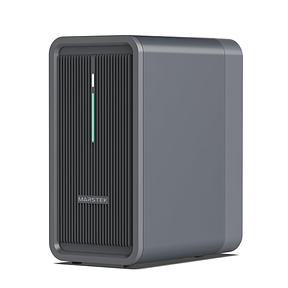
Marstek B2500D Speicher 2240Wh für Balkonkraftwerke, LiFePO4 Akku, erweiterbar
View at AmazonAffiliate link. Buying through it earns us a commission; the price stays the same for you.
Growatt NOAH 2000
2,048 Wh at €388.00, built specifically for balcony solar. Priced between the two Anker models, for anyone who wants a purpose-built unit without Anker's ecosystem.
Growatt NOAH 2000 Batteriespeicher 2,048 kWh für Balkonkraftwerke
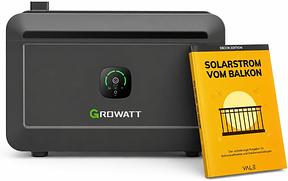
Growatt NOAH 2000 Batteriespeicher 2,048 kWh für Balkonkraftwerke
View at AmazonAffiliate link. Buying through it earns us a commission; the price stays the same for you.
What I'd do in your position
Wait. Not because of the price, which for the EcoFlow Stream 5000 with 5 kWh and the inverter included is fair enough. Rather because what's missing is exactly what you want to see before a four-figure purchase: an independent test, and a defined remaining-capacity threshold behind that cycle count.
Whether a balcony battery pays for itself at all depends less on the spec sheet than on your consumption and the unit's standby draw. How big a battery your actual usage needs is something you can rough out yourself. The payback arithmetic has its own post.
All products from this post
The ones we named above are marked; the rest are alternatives in the same category.
Affiliate notice: As an Amazon Associate, we earn from qualifying purchases. Product prices and availability are subject to change.
Frequently Asked Questions
What does the EcoFlow Stream 5000 cost?
€1,299 during the warm-up phase, €1,399 in pre-sale from 31 August 2026, and €1,599 as the regular list price (as of 27.08.2026, per teltarif.de). The STREAM AC 5000 variant without a built-in inverter sits at €1,199.
How many years is 10,000 charge cycles?
It depends on how often the battery genuinely cycles fully. At 1.5 full-cycle equivalents per day that's roughly 18 years, at 2 per day about 14. Our own arithmetic on top of an assumption. EcoFlow states no remaining-capacity threshold alongside the figure.
Can I retrofit the Stream 5000 onto an existing balcony solar setup?
Yes. The STREAM AC 5000 variant is the one aimed at setups that already have an inverter. In plug-in mode the feed-in stays at 800 W and nothing needs rewiring. The full 3,000 W requires a fixed connection installed by a licensed electrician.
Has Stiftung Warentest tested the Stream 5000?
No. Stiftung Warentest tested five balcony storage systems in March 2026 and the Stream 5000 wasn't among them. The sibling STREAM Ultra was graded "mangelhaft" (poor), 4.7, in that test. That result says nothing about the Stream 5000 itself.