EEG 2027 Balcony Solar: What the 29 July 2026 Cabinet Decision Actually Means
 5 min read
As of: 27.08.2026 | Status: DRAFT (cabinet decision of 29.07.2026, not law yet)
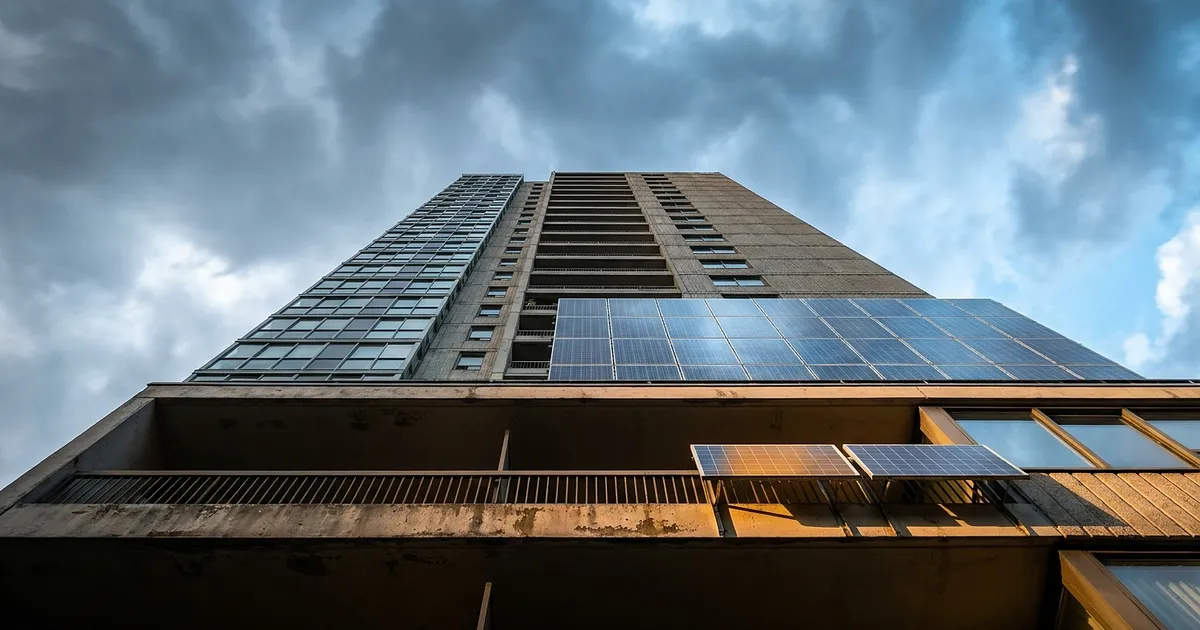
Since late July, headlines about the end of Germany's feed-in tariff have been everywhere, and the forums keep asking one thing: does EEG 2027 hit balcony solar? It doesn't. On 29 July 2026 the German cabinet approved the government draft of the EEG 2027 amendment and the grid connection package, and for EEG 2027 balcony solar the answer is unambiguous: plug-in solar devices are explicitly carved out of it.
The class above yours is what the reform targets, meaning new rooftop PV. Roughly 1.3 million balcony systems are logged as operational in the Marktstammdatenregister, according to GFK Solar (as of mid 2026).
Three dates people keep mixing up
The confusion isn't about the content. It's about the calendar.
| Date | What happens | Status |
|---|---|---|
| 29.07.2026 | Cabinet approves the government draft | done |
| September 2026 | The Bundestag starts its deliberations | planned |
| End of 2026 | Possible passage through Bundestag and Bundesrat | open |
| 01.01.2027 | Planned entry into force, subject to EU approval | open |
As pv magazine reports, parliament only begins debating in autumn, with passage expected by year end. So no rule changes for anybody in September.
And 1 January 2027 is the plan, not a promise. The Bundestag, the Bundesrat and the EU Commission all still have to sign off, the last of those on state aid grounds. That's a real open risk, not a formality.
EEG 2027 and Your Balcony Solar: What Doesn't Change
As t-online notes, reading straight from the draft text, plug-in solar devices up to 2 kilowatts of installed capacity sit outside the new rules. So you're spared:
the obligation to sell power via direct marketing
the 50 percent cap on feed-in output
the smart meter requirement
any change to the 800 VA and 2 kW limits themselves
One duty stays, and the reform leaves it alone: your device has to be registered in the Marktstammdatenregister within one month of commissioning, or you risk a fine.
Storage stays allowed
More interesting than what doesn't happen is what the draft adds. A battery may explicitly count as part of a plug-in solar device now. That's the read from the draft analysis on the Anker blog. Grid operators are also to communicate the MaLo-ID within four weeks (§ 8b in the draft). Less paperwork, not more.
So if you want to add storage to your existing setup, nothing in this draft argues against it. The Anker SOLIX 2 Plus Solarbank (1,6 kWh) and the Marstek B2500 Speicher 2240Wh für Balkonkraftwerke both sit in that class.
Whether it pays off depends on your own consumption and the unit's standby draw, not on the EEG.
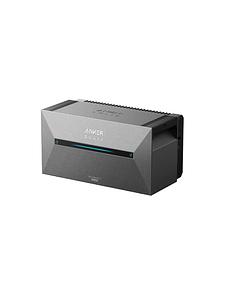
Anker SOLIX 2 Plus Solarbank (1,6 kWh)
View at AmazonAffiliate link. Buying through it earns us a commission; the price stays the same for you.
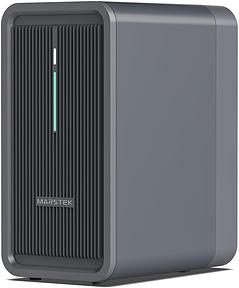
Marstek B2500 Speicher 2240Wh für Balkonkraftwerke
View at AmazonAffiliate link. Buying through it earns us a commission; the price stays the same for you.
What changes for larger rooftop systems
This is where the actual reform lives. For new rooftop systems, Zendure reports the draft provides a time limited transitional payment of around 5.2 ct/kWh for up to 36 months, plus a direct marketing bonus of roughly 1.5 ct/kWh for up to 48 months. The fixed 20 year tariff ends for new systems, and the threshold steps down over time: below 50 kW from 2027, below 25 kW from 2028, below 7 kW from 2029/30.
None of those figures reaches down to the 2 kW class.
It's contested, to be fair. The Bundesverband Neue Energiewirtschaft calls the draft a reversal in how small systems are supported, though the systems it means run up to 25 kW, so house roofs rather than your balcony.
The sentence causing most of the panic
"Connect in 2026 and you get 20 years of payments, after that nothing." You'll see it everywhere. For rooftop systems it's broadly right. For a pure balcony system it's barely relevant, as pv magazine points out, because no payment flows there in the first place.
Nobody can take away something you never received. There's no clock for you to beat.
EEG 2027 Balcony Solar: The Bottom Line
Big reform, but EEG 2027 balcony solar rules leave your setup alone. Anyone telling you otherwise read the headline instead of the draft.
If the 2 kW or the 800 VA limits move during the parliamentary stage, it'll be noted here. For more updates on balcony solar rules, check our news section. Until then, check your registration and leave the rest alone.
All products from this post
The ones we named above are marked; the rest are alternatives in the same category.
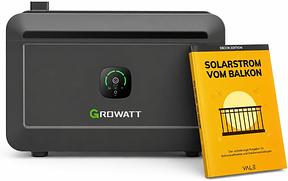
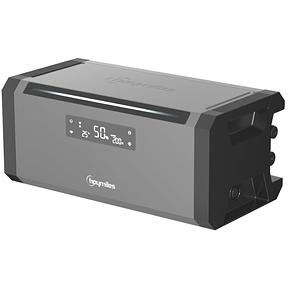
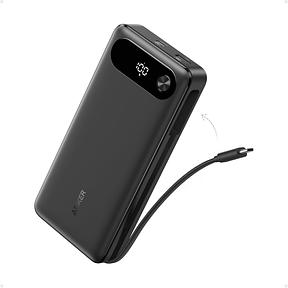
Not available in your region — closest match
Anker Powerbank, 20.000mAh tragbares Ladegerät mit integriertem USB-C-Kabel, 87W Max Schnellladung, kompatibel mit MacBook, iPhone, Samsung und mehr
View at Amazon (as of Aug 15)Affiliate notice: As an Amazon Associate, we earn from qualifying purchases. Product prices and availability are subject to change.
Frequently Asked Questions
Does anything change for my balcony system in September 2026?
No. September 2026 is only when the Bundestag begins debating the draft. That's a step in the legislative process, not a deadline. Nothing changes for plug-in solar devices on that date.
Is the feed-in tariff for balcony solar being abolished?
Balcony systems get no feed-in tariff today, surplus power goes to the grid unpaid, and the feed-in tariff 2027 reform doesn't change that for you. What ends is the fixed 20 year tariff for new, larger systems. Nothing is being taken away from you.
Does the new direct marketing obligation apply to me?
No. Plug-in solar devices up to 2 kW of module power are explicitly exempt under the draft text, along with the 50 percent feed-in cap and the smart meter requirement. Those duties target larger systems.
When does EEG 2027 take effect?
The plan is 1 January 2027. It isn't certain: the Bundestag and Bundesrat have to pass it, and the EU Commission has to clear the support rules under state aid law. Until then it's a proposal, not law.